Chemical-Free Deionized (DI) Water Systems for Hospitals
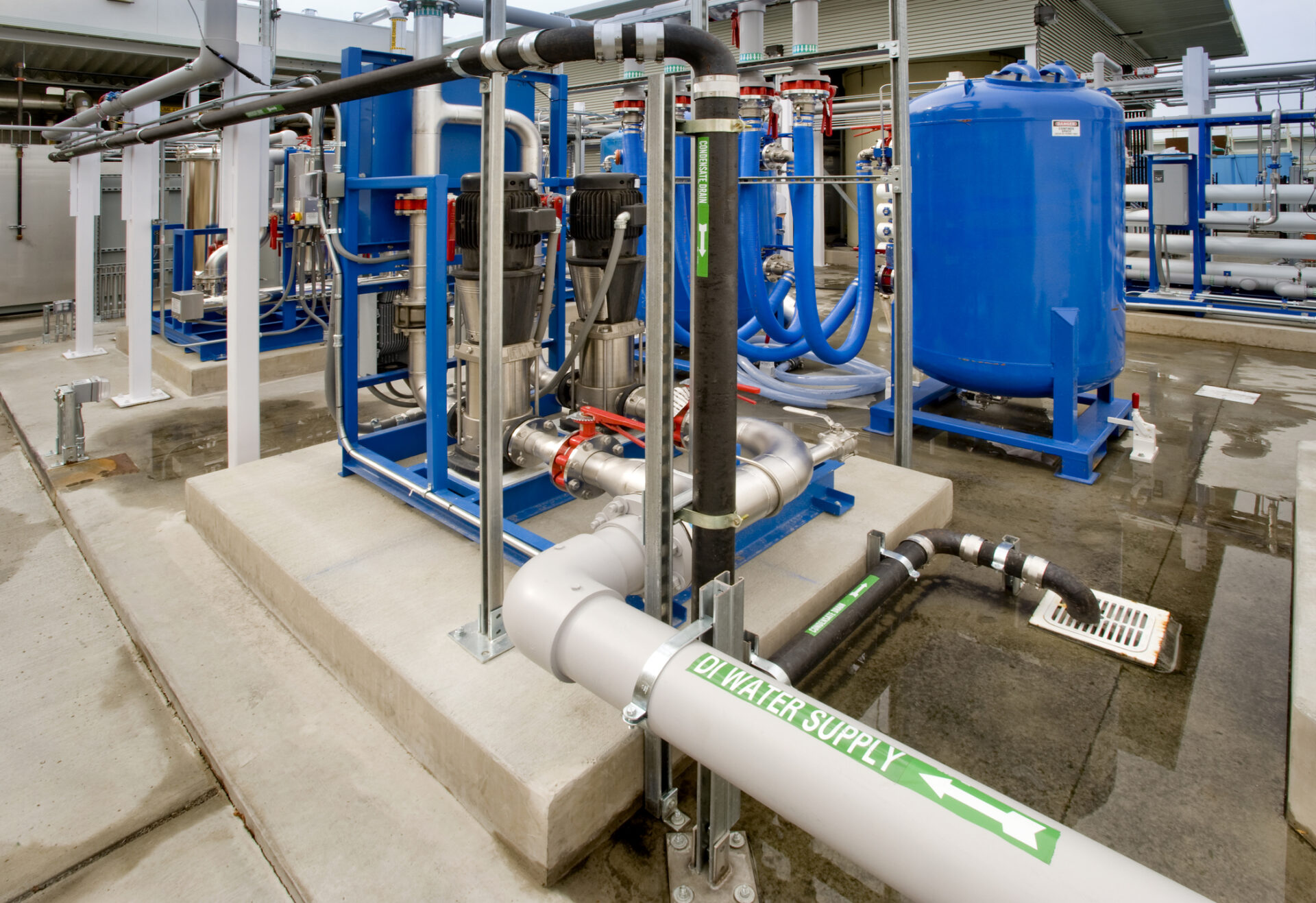
Hospitals increasingly evaluate chemical-free or reduced-chemical deionization systems to improve workplace safety and minimize environmental impact. Traditional regeneration methods can involve strong acids and caustics, which require careful storage and handling. Modern alternatives focus on reducing on-site chemical exposure while maintaining ultra-low conductivity output suitable for sterilization, instrument reprocessing, and laboratory diagnostics.
Industrial Deionization for Pharmaceutical Manufacturing
Pharmaceutical production environments require highly controlled water purity for formulation, equipment rinsing, and cleaning validation. Even small variations in ionic content can affect product stability or regulatory documentation. Top-rated industrial deionization services for pharmaceutical companies, like Western Reserve Pure Waters’, typically provide scalable system design, documented service procedures, resin performance tracking, and integration with quality management systems. In Northern Ohio, facilities must also ensure alignment with Ohio Environmental Protection Agency (Ohio EPA) discharge standards and internal environmental policies.
Ohio EPA Compliance & Wastewater Considerations
Deionization systems impact more than just water purity. They affect wastewater discharge, chemical storage, and environmental reporting. Facilities in Ohio must comply with regulations governed by the Ohio EPA, particularly regarding regeneration discharge and brine management. Systems designed with compliance in mind may include optimized regeneration cycles, reduced chemical consumption, and proper containment strategies.
Eco-Friendly & Energy-Efficient DI Systems for Labs & Large Facilities
Energy use and water waste are growing concerns for labs and large facilities. Energy-efficient deionized water systems can reduce operational costs while supporting sustainability initiatives. Eco-friendly DI solutions from Western Reserve Pure Water may include high-efficiency pumps, optimized flow design, long-life resins, and reduced regenerant usage.
How to Evaluate Lab & Medical-Grade Deionized Water Providers
Selecting a deionization system or service provider requires a structured evaluation process.
Key criteria typically includes:
- Water purity consistency and conductivity range
- Regulatory compliance support
- Wastewater management practices
- Energy efficiency and sustainability performance
- Preventative maintenance and monitoring capabilities
- Regional regulatory expertise
For organizations in Northern Ohio, working with a provider like Western Reserve Pure Water, who is familiar with local compliance expectations and industrial demands can simplify implementation and long-term management.
When Do Facilities Need Lab or Medical-Grade Deionized Water?
Not every facility requires the same level of water purity, but laboratories, hospitals, and pharmaceutical manufacturers often depend on highly purified deionized water for critical processes. Applications such as laboratory testing, medical instrument sterilization, pharmaceutical formulation, and final equipment rinsing require water with extremely low mineral and ionic content to maintain accuracy, safety, and product integrity.
Facilities evaluating their water purification needs should consider how water quality affects testing reliability, equipment lifespan, and regulatory compliance. Understanding the role of lab and medical-grade deionized water helps organizations choose systems that support both operational performance and long-term environmental responsibility.
Why Choose Us?
Established Trust
We are a proven partner with two-plus decades of innovation & research
Custom Services
Western Reserve never charges for consultations and will give you a FREE water analysis

Love Local
Professional application engineers in house on staff just a drive away

Filtration Systems Designed for ST108 Compliance
Western Reserve Pure Water’s filtration systems are built to help healthcare facilities meet the demanding water quality standards of ST108. Designed for reliability and performance, these systems make sure your water is safe, clean, and ready for everything from medical device reprocessing to everyday use.
End-To-End Membrane Cleaning – Available Nationwide!
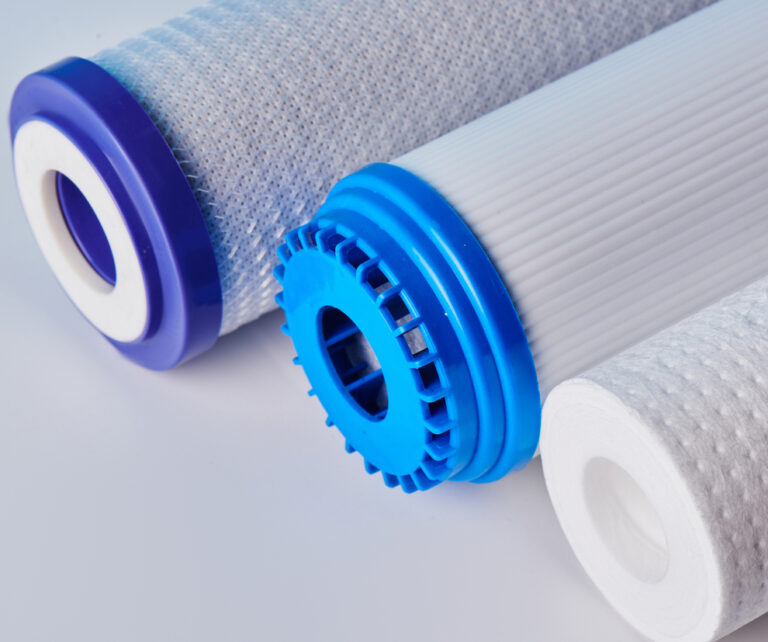
Save your time, money and effort by having Western Reserve Pure Water clean your existing membrane. We offer short turnaround time and loaners if needed. Shipping is an easy process, and we offer service and maintenance plans. We have customers anywhere across the U.S.
Lab & Medical Grade Deionized Water FAQs
Ohio EPA regulates wastewater from deionization systems to ensure safe discharge and environmental protection. Requirements include proper brine management, minimized chemical use, and accurate documentation of discharge volumes. Facilities must also follow guidelines for regenerant storage and disposal to remain compliant.
Systems can maintain compliance through optimized regeneration cycles, reduced chemical consumption, proper brine handling, and thorough record-keeping. Regular inspections and preventative maintenance help ensure ongoing adherence to Ohio EPA standards.
Chemical-free DI systems reduce hazardous chemical handling while producing ultra-pure water for sterilization, instrument reprocessing, and laboratory diagnostics. These systems improve staff safety, support infection control protocols, and minimize environmental impact.
Yes. By eliminating or reducing strong acids and caustics from regeneration, chemical-free systems lower the risk of chemical exposure, spills, and regulatory violations, making them safer for staff and patients.
Deionized water prevents mineral buildup and contamination on medical instruments, lab glassware, and sterilization equipment. Its consistent purity helps ensure effective sterilization and reduces the risk of microbial growth.
Pharmaceutical facilities typically require high-purity, USP-compliant DI systems with consistent output, resin monitoring, and scalable design. Continuous and batch production applications benefit from systems with proven reliability, regulatory support, and documented maintenance procedures.
Eco-friendly DI systems optimize energy and water use by reducing regeneration frequency, minimizing chemical use, and incorporating high-efficiency pumps or long-life resin. These systems maintain lab-grade water purity while supporting sustainability initiatives.
Chemical-free systems offer similar or superior water purity with less environmental and chemical risk. Traditional systems often require more acids and caustics, generating higher waste volumes and handling requirements.
Select a provider familiar with local Ohio EPA regulations, experienced in healthcare or lab applications, and capable of offering preventive maintenance, system monitoring, and compliance support. Knowledgeable providers like Western Reserve Pure Water help ensure safe, efficient, and sustainable operations.
Why Choose Western Reserve Pure Water + 
Western Reserve Pure water has serviced Northern Ohio and surrounding areas for more than 20 years. Our recent partnership with Culligan Water gives us the technology and research of a global corporation at our back. At our heart – we’re still your mom and pop shop here to serve you locally. Call us today to find out how we can help your business save money, grow, and sustain.