ST108 Water Class A
Designed for the highest-purity applications, Class A water requires extremely low conductivity, high resistivity, and tight microbial and endotoxin control. Facilities use Class A for sterile processing, sensitive laboratory work, and any environment where even minor contamination can compromise safety or results. Achieving this level typically involves RO, mixed-bed DI polishing, ultrafiltration, and continuous monitoring.
ST108 Water Class B
Class B supports applications that require strong ionic purity and controlled microbial levels but do not demand the extreme thresholds of Class A. It is commonly used for general lab operations, automated washer-disinfectors, and equipment rinsing. Systems aiming for Class B often pair RO with DI polishing to meet resistivity requirements and maintain stable water quality.
ST108 Water Class C
Class C provides a reliable baseline water quality suitable for non-critical tasks such as initial rinsing, routine cleaning, and utility water applications. While microbial and ionic requirements are less strict, Class C still demands consistent monitoring to ensure performance and support upstream processes that feed higher-purity stages.
Choosing the Right ST108 Classification
Selecting between Class A, B, and C depends on your facility’s risk level, regulatory expectations, and how water interacts with instruments or laboratory processes. Understanding each classification’s requirements along with factors like membrane fouling, resin exhaustion, and sampling frequency helps ensure you choose the correct class and maintain compliance.
Protecting Medical Instruments & Patients with ST108: Key Factors That Influence ST108 Water Quality
Understanding the classifications is only the first step. Maintaining them requires ongoing attention to system performance, component health, and routine monitoring. Below are critical insights that help facilities stay compliant and avoid unexpected water-quality failures.
Monitoring & Sampling Expectations
ST108 emphasizes proactive monitoring to maintain consistent purity.
Facilities often ask how frequently they should test water quality, especially for conductivity and bacteria. In most environments, daily conductivity/resistivity checks paired with routine microbial testing (weekly or as risk dictates) provide the best balance of oversight and stability. Increased sampling is recommended whenever alarms, usage spikes, or system irregularities occur.
How Membrane Fouling Impacts Endotoxin Levels
RO membrane fouling is one of the most common causes of sudden quality drops.
As membranes accumulate scale or biofilm, they begin allowing more organic molecules, including endotoxins, to pass through. This rise in endotoxin levels can push Class B or Class A systems out of ST108 compliance. Tracking pressure changes and performing scheduled cleanings with Western Reserve Pure Water helps prevent this progression.
Resin Health & ST108 Resistivity
DI resin exhaustion directly impacts water purity.
As resin becomes saturated, it begins releasing ions back into the water, causing resistivity to fall below ST108 thresholds. Exhausted resin can also harbor biofilm, increasing microbial risk. Predictive replacement schedules and resistivity trending give facilities a clearer view of when resin is approaching its functional end.
System Design & Upgrade Considerations
Facilities updating older systems often wonder whether they need both RO and mixed-bed DI polishing to meet certain ST108 classifications. For most Class B applications and nearly all Class A, RO provides essential bulk contaminant reduction, while mixed-bed DI brings resistivity up to required levels.
When upgrading a standard DI-only system to produce Class A water, costs typically involve adding RO pre-treatment, ultrafiltration, continuous monitoring, and potentially loop recirculation. The exact investment varies by system size and condition, but the upgrade often delivers significant improvements in stability and compliance.
Why Choose Us?
Established Trust
We are a proven partner with two-plus decades of innovation & research
Custom Services
Western Reserve never charges for consultations and will give you a FREE water analysis
Love Local
Professional application engineers in house on staff just a drive away

Filtration Systems Designed for ST108 Compliance
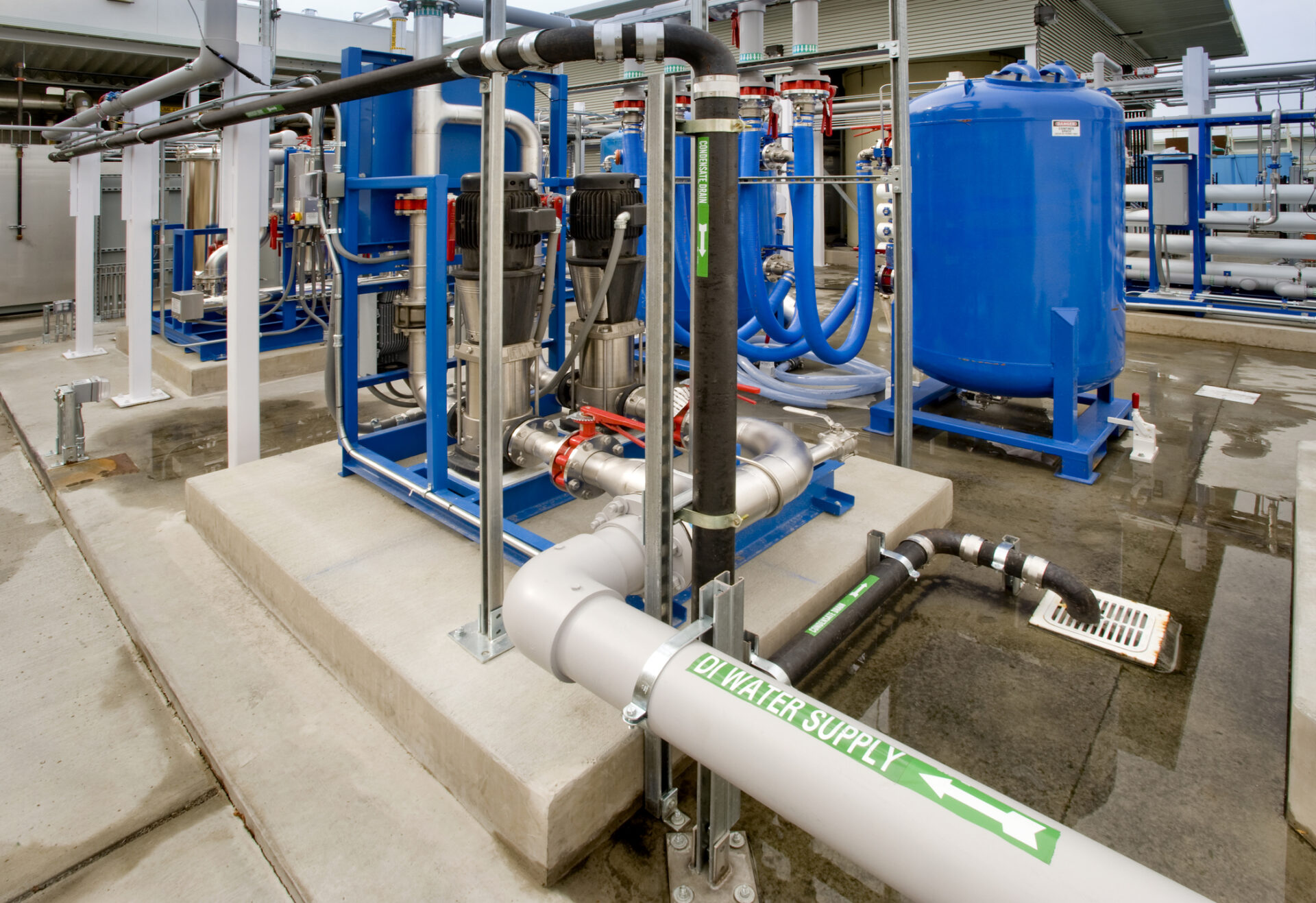
Western Reserve Pure Water’s filtration systems are built to help healthcare facilities meet the demanding water quality standards of ST108. Designed for reliability and performance, these systems make sure your water is safe, clean, and ready for everything from medical device reprocessing to everyday use.
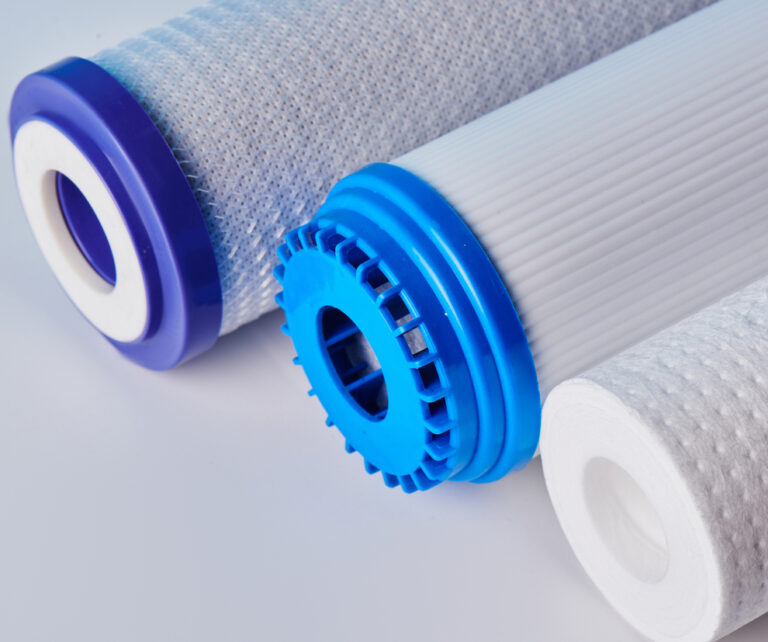
End-To-End Membrane Cleaning – Available Nationwide!
Save your time, money and effort by having Western Reserve Pure Water clean your existing membrane. We offer short turnaround time and loaners if needed. Shipping is an easy process, and we offer service and maintenance plans. We have customers anywhere across the U.S.
ST108 Water Quality Classification FAQs
Routine checks are key for maintaining ST108 compliance. Conductivity and resistivity should typically be measured daily, while microbial tests are often weekly for Class B and more frequent for Class A systems. Additional testing is recommended if there are system alarms, maintenance events, or unexpected usage changes.
Field studies and system audits indicate that fouled RO membranes can allow increased endotoxin passage and contribute to biofilm formation, which elevates microbial counts. Regular inspection and cleaning prevent these spikes, keeping water within ST108 limits.
A thorough commissioning checklist should cover:
- Baseline resistivity and conductivity measurements
- Bacterial and endotoxin testing at all points of use
- RO membrane performance verification
- DI resin quality and exhaustion checks
- Sanitization and distribution loop validation
Alarm functionality tests
Yes. RO removes bulk ions and organics, while mixed-bed DI polishing ensures the water reaches Class B resistivity and conductivity targets. Using both together provides consistent water quality and helps maintain compliance over time.
Conversion costs vary depending on system size and current infrastructure, but generally include:
- Adding RO pretreatment and mixed-bed DI trains
- Implementing ultrafiltration or endotoxin removal stages
- Installing recirculation loops and real-time monitoring
Typical costs range from $10,000 to $40,000, depending on system complexity.
Exhausted DI resin releases ions back into the water, causing resistivity to drop below ST108 targets. This can also encourage biofilm growth, increasing microbial risk. Regular resin monitoring and predictive replacement are essential for maintaining Class A and B compliance.
The right class depends on your application’s sensitivity, regulatory requirements, and the impact of water quality on equipment or patient safety. Class A is needed for sterile processing and high-precision labs, Class B for general lab operations, and Class C for utility water or non-critical rinsing.
Need Help Navigating ST108?
Don’t leave compliance to chance. Contact Western Reserve Pure Water to assess your current systems and get expert recommendations.